Local SEO vs Google Ads: Which Is Right for You?
The short answer
Google Ads buys instant visibility but stops the moment you stop paying. Local SEO is slower — usually 60–90+ days — but builds a compounding asset that keeps generating calls for years. For most local businesses, SEO is the better long-term investment, often run alongside a modest Ads budget for instant or seasonal demand.
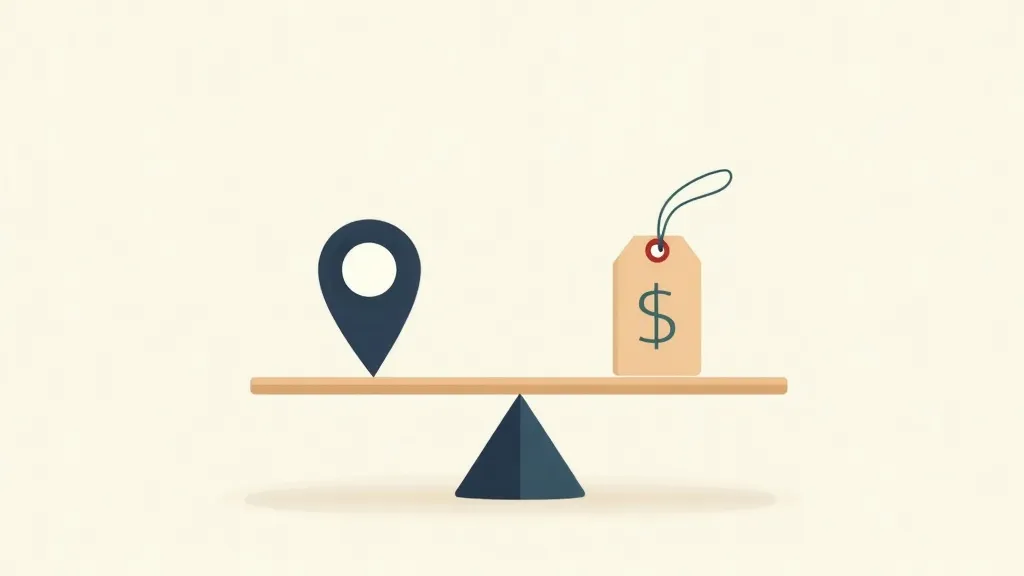
If you run a business on the Mississippi Gulf Coast and you’ve got a budget for getting found on Google, you’ve probably hit the same fork in the road as everyone else: do you pay for Google Ads, or invest in local SEO? Both work — but they work very differently, and picking the wrong one for your situation can waste a lot of money. Here’s an honest comparison so you can decide.
How does each one actually work?
They live on the same search results page but play different games.
- Google Ads (PPC) is paid placement. You bid to appear at the very top of search results, in slots labeled “Sponsored,” and you pay each time someone clicks. Turn it on and you’re visible almost immediately.
- Local SEO earns your spot. Instead of paying per click, you optimize your Google Business Profile, website, citations, and reviews so Google shows you in the map pack and organic results for free. (If you’re new to this, start with what local SEO is.)
The short version: Ads is renting visibility. Local SEO is buying it.
Which is faster — Google Ads or local SEO?
Google Ads wins on speed, and it isn’t close. You can launch a campaign this afternoon and have qualified clicks by tonight. For a brand-new business, a grand opening, or a sudden need for leads, that instant on-switch is genuinely valuable — nothing else matches it.
Local SEO is a slower build. Most local businesses start seeing the map pack respond within 60–90 days, with rankings and AI visibility compounding from there. Competitive markets like Biloxi or Gulfport take longer than a smaller town. If you need the phone ringing tomorrow, SEO alone won’t do it — and any agency promising overnight organic results is selling something. (We break the timeline down in how long local SEO takes.)
What about cost — which is cheaper?
This is where the comparison really separates, because the two have completely different cost models.
- Google Ads is an ongoing expense. You pay per click, forever. The day you stop funding the account, your visibility vanishes — there’s no lingering benefit. In competitive Gulf Coast service categories, clicks can get expensive fast, and your cost-per-lead is whatever the auction demands that month.
- Local SEO is a compounding asset. You invest a flat monthly amount, and the rankings, reviews, and authority you build stay with you. Over time your cost-per-lead tends to fall as the work compounds — the page you optimized last year keeps generating calls this year at no extra click cost.
Put simply: with Ads you’re paying for this month’s traffic. With SEO you’re building equity that keeps paying out. Neither is “cheap,” but they’re cheap (or expensive) in very different ways. You can see how we structure the SEO side on our pricing page.
What happens when you stop paying?
This one matters more than people expect.
Turn off Google Ads and your leads stop the same hour. Everything you spent bought you that window of visibility and nothing more — there’s no asset left behind. That’s not a flaw; it’s just how rented visibility works.
Local SEO keeps working after you ease off. Because you’ve earned your rankings, an optimized profile and a strong review base don’t evaporate overnight. Rankings can soften over time without upkeep, but the drop-off is gradual — not the instant cliff you get with Ads. You built something you own.
Which do people actually trust and click?
Here’s a quieter advantage for organic. Plenty of searchers have learned to skim right past the “Sponsored” labels and put their trust in the results that were earned — the map pack and organic listings below. They read it as a signal that Google (and other customers) vouch for you, not that you simply outbid the competition.
And the map pack sits at the heart of it. That three-business box with the map captures an outsized share of local clicks and calls — most people pick one of those three without scrolling further. You can run Ads all day, but you can’t buy your way into the map pack; it’s earned through local SEO. For a local business, that real estate is often the single most valuable spot on the page.
None of this means Ads don’t convert — they absolutely do, especially for high-intent “ready to buy now” searches. It just means the earned results tend to carry more trust over the long haul.
So which is right for your business?
Honestly? For most local Gulf Coast businesses, local SEO is the better long-term investment — because it compounds into an asset you own instead of a meter that keeps running. But this isn’t really an either/or, and we’d be doing you a disservice to pretend it is.
Here’s how we’d frame it:
- Lean on Google Ads when you need leads right now, you’re launching something new, you’re filling a seasonal gap, or you’re testing which services and keywords actually convert before committing to them.
- Invest in local SEO as your foundation for durable, compounding visibility that lowers your cost-per-lead and keeps producing calls year after year.
- Run both together in the early months — let Ads carry the load while your SEO matures over that first 60–90 days, then scale Ads back as your organic rankings and map pack presence take over.
The mistake we see most often on the Coast is treating Ads as a permanent strategy — pouring money into clicks for years while never building the organic asset that would eventually cost far less. Ads are a great accelerator. Local SEO is the engine.
If you want to know which mix makes sense for your business, the fastest way to find out is to see where you stand today.
Not sure where to start? Grab a free SEO audit. We’ll show you exactly where you rank, how your Google Business Profile stacks up against competitors, and whether your budget is better spent on SEO, Ads, or a bit of both — no obligation. Or browse our pricing and the cities we serve.
See how your business stacks up
Get a free SEO audit: where you rank, how your Google Business Profile compares to competitors, and the highest-impact fixes — yours to keep, whether or not we work together.
Prefer to talk? Call (228) 400-3234